The easiest way to lose at AI search is to write for an imaginary algorithm. The better question is simpler: if someone summarized your page in three sentences, would any of those sentences be worth repeating?
That is the foundation. Answer a real question, show where the evidence came from, and make the original contribution obvious.
The numbers change the brief
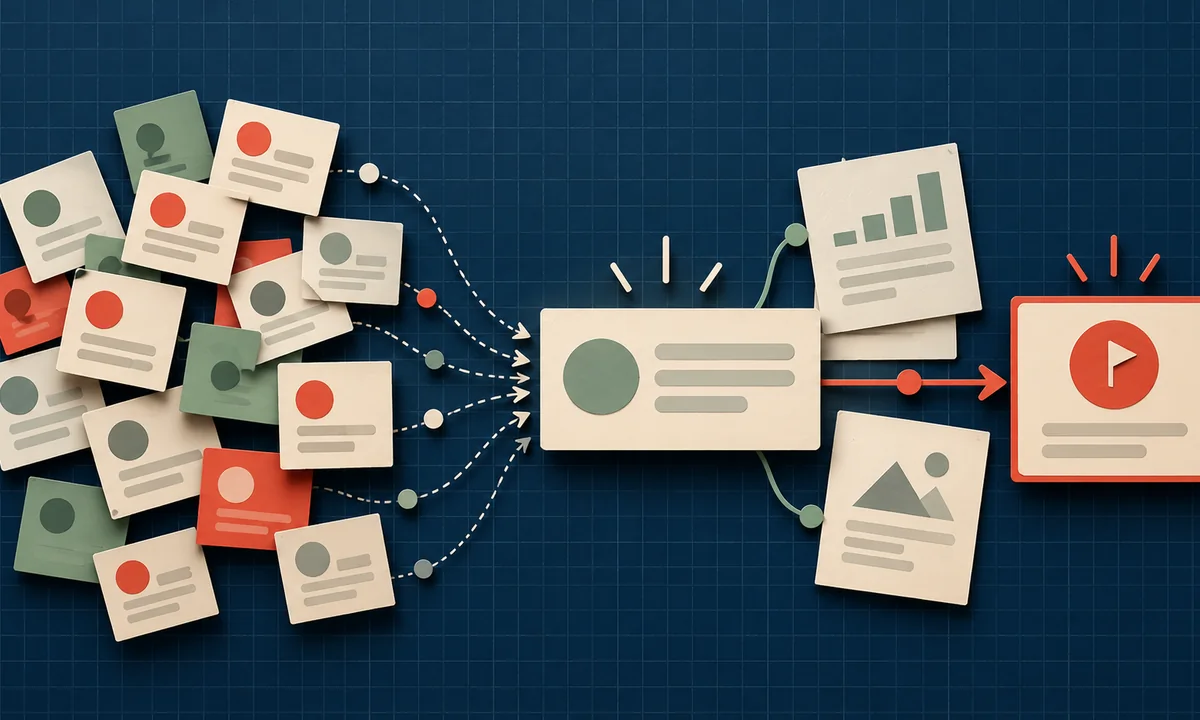
In a Pew Research Center analysis of 68,879 Google searches, 18% produced an AI summary. Users clicked a traditional result on 8% of visits with a summary, compared with 15% without one. A cited source inside the summary received a click on only 1% of those visits.
Those figures describe the observed searches in March 2025, not every search market or a guaranteed future trend. But the implication is useful: visibility inside an answer and traffic to a page are different outcomes. A publisher needs content strong enough to earn attention even when the quick answer is already visible.
Start with a clear answer to one question. Then give the reader what a short summary cannot: a worked example, a decision rule, a source table, a comparison, or a limitation that changes the recommendation.
Build a claim people can inspect
Take “a faster website converts better.” It sounds plausible, but it is too loose to cite. Which study? Which sites? What did “faster” mean? What was measured? A stronger paragraph gives the exact result and its boundary. For example, the 2025 HTTP Archive performance chapter reports that 48% of mobile websites in its dataset had good Core Web Vitals. That is a defined performance benchmark, not a conversion claim.
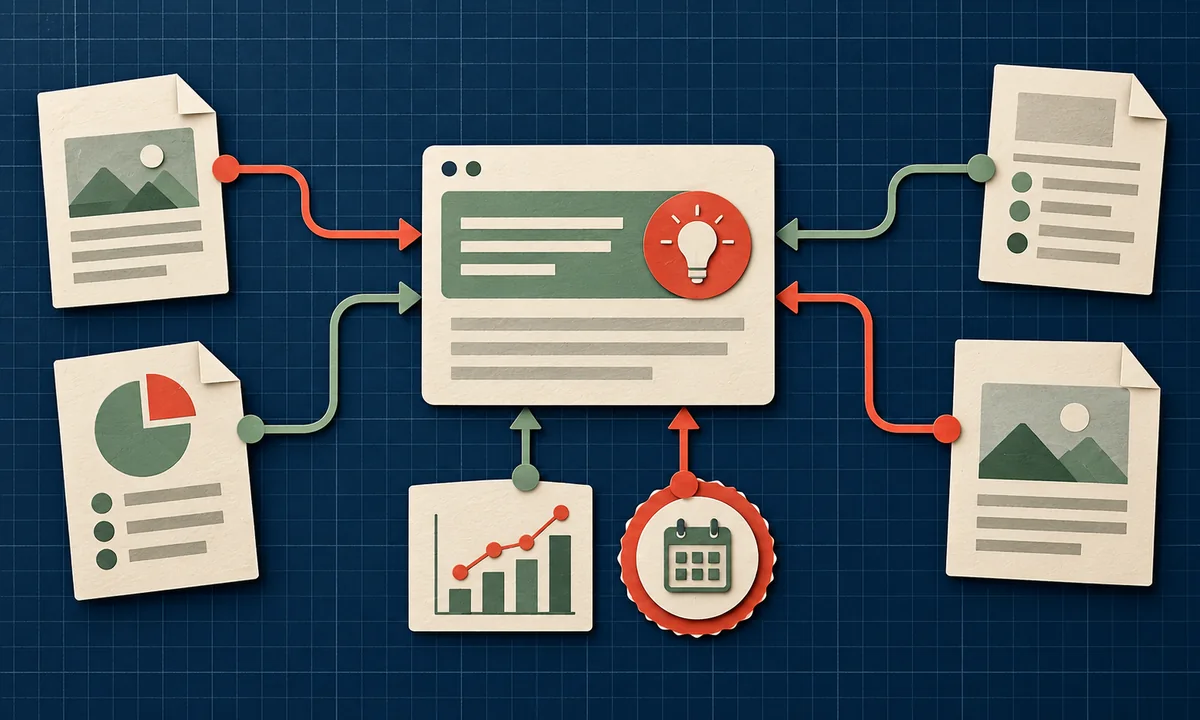
For every important number, keep four items together: the value, the population or sample, the measurement date, and a link to the original source. If the source is a survey, say so. If it is an experiment, explain the setting. If the number changes frequently, add a review date. Our GEO source-trail guide turns this into a practical workflow.
Original evidence is particularly valuable. Publish your own small dataset, annotated screenshots, teardown, or documented case study when you have one. Label what you observed separately from what you infer. Do not invent a percentage to make a point feel important.
Make the page easy to extract without making it thin
Put the direct answer near the top. Follow it with the method, evidence, exceptions, and next step. Use headings that describe what the section actually answers. Name sources in the sentence that uses them rather than hiding a bibliography at the bottom.
Google's guide to generative AI features stresses unique, useful content and ordinary technical search foundations. It also says a page must be indexed and eligible for a snippet to appear in its AI features. There is no special “AI schema” that makes weak content citable. Structured data can clarify entities and page types, but Google says it must match visible content.
That means SEO foundations still matter: crawlable links, accurate titles, a clear page purpose, and fast mobile delivery. AI presentation sits on top of those basics. It does not rescue a page that crawlers cannot reach.
Review citations as a quality signal
Pew found that 88% of the AI summaries in its sample cited at least three sources. A citation is therefore part of the format, but it is not an endorsement or a traffic promise. Review the answers where your brand or topic appears. Ask whether the cited page is accurate, current, and distinctive. If a competitor's explanation is cited while yours is overlooked, compare the evidence and clarity before rewriting headings.
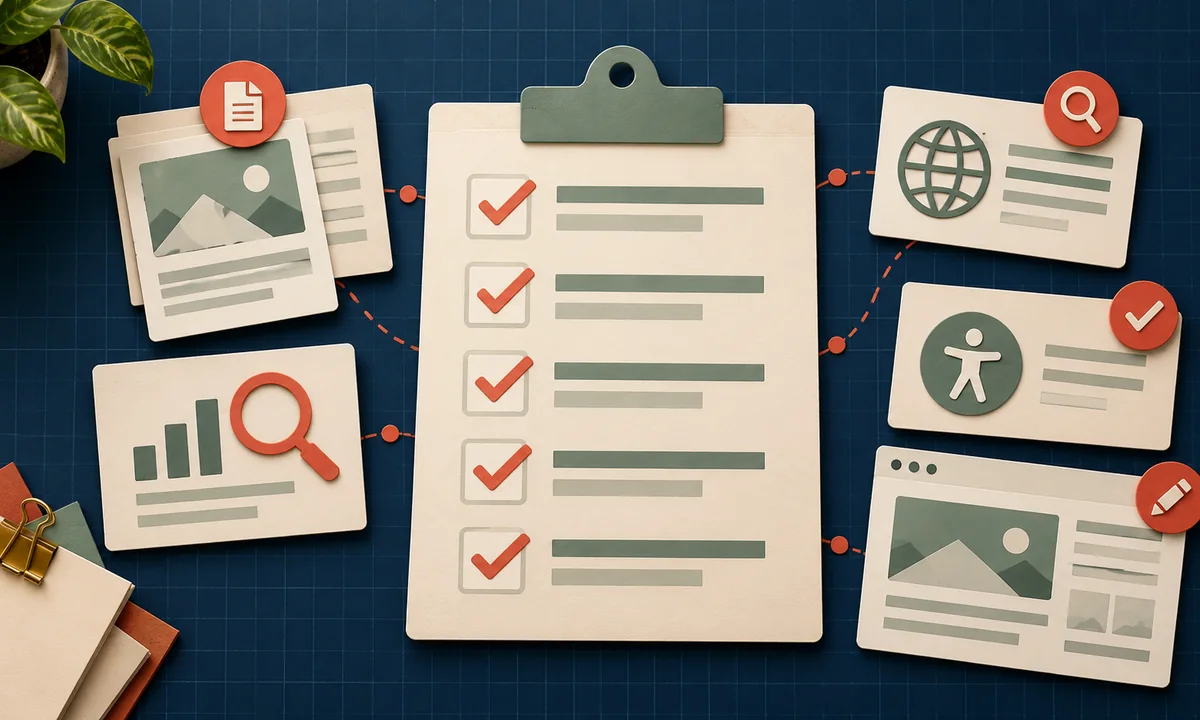
Track three measures: search visibility, visits that reach the site, and the action visitors take there. Keep a log of important prompts or queries, but expect outputs to vary. Our GEO editorial checklist helps you review the page before publication.
Put the review on a calendar. A source can update its methodology, a product can change its pricing, and an example can become misleading without anyone noticing. Assign one editor to the page, record when every key claim was checked, and make corrections visible. Reliability is built through maintenance, not a one-time launch.
The durable play is straightforward: answer clearly, prove the answer, say what you do not know, and give readers a reason to visit beyond the summary. That is content worth referencing.